Charting Pathways from Random Sequences to Tiered Incentive Structures Across Licensed Digital Table Platforms
Written by Mia Keller · Sep 26, 2026
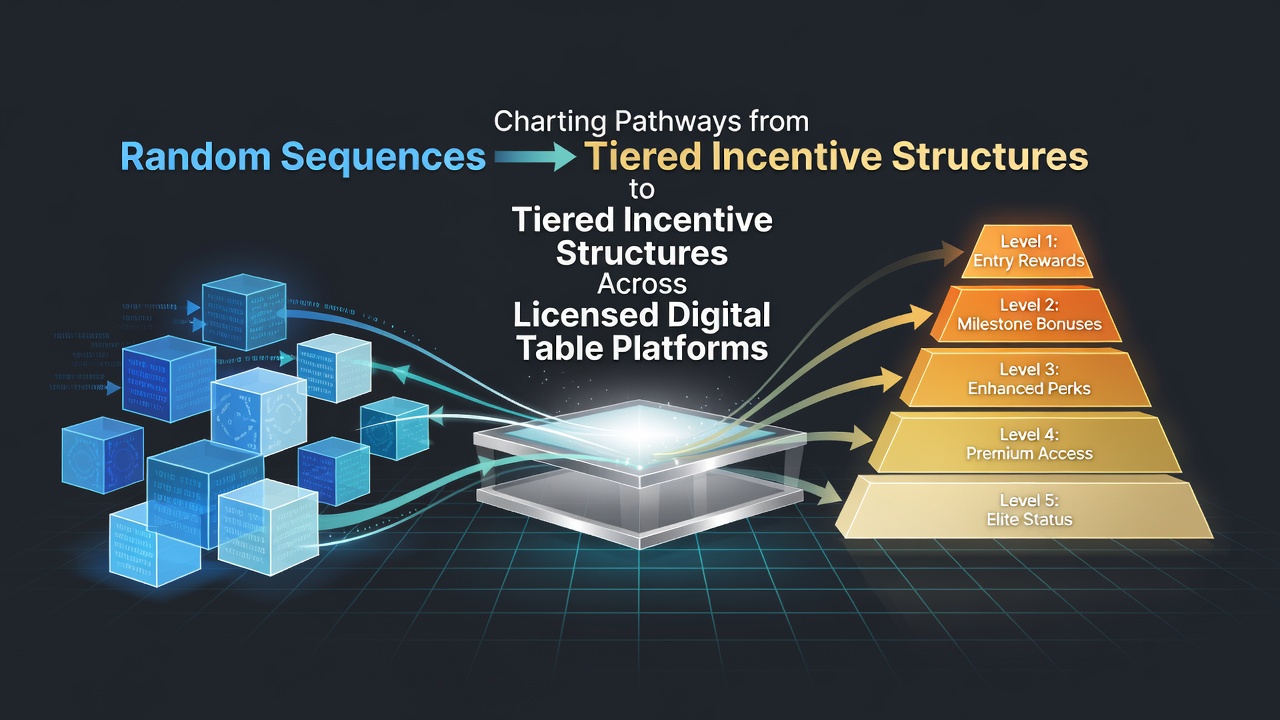
Charting Pathways from Random Sequences to Tiered Incentive Structures Across Licensed Digital Table Platforms
Random sequences generated by certified algorithms form the foundation for outcomes across digital table platforms, and these sequences feed directly into data collection systems that track player interactions over extended sessions. Licensed operators use this information to map engagement patterns, which then inform the design of tiered incentive structures that adjust rewards based on activity levels and participation frequency.
Random Sequences in Licensed Digital Environments
Digital table platforms rely on pseudorandom number generators that undergo regular testing to ensure uniform distribution of results in games such as roulette, blackjack, and baccarat, and certification bodies verify these systems meet technical standards before deployment. Data from each sequence logs into secure databases where analysts examine frequency distributions, session durations, and outcome clusters without accessing personal identifiers until compliance protocols activate.
Research indicates that sequence data reveals aggregate trends across thousands of rounds, which platforms aggregate to identify common play behaviors and adjust game parameters within regulatory limits. In September 2026 several European testing labs plan to release updated audit protocols that incorporate real-time sequence monitoring for multi-jurisdictional platforms.
Pathways from Sequence Data to Player Analytics
Sequence outputs connect to player accounts through encrypted identifiers, allowing platforms to build profiles that record bet sizes, game selections, and time spent on each variant while maintaining separation between raw random results and individual records. Analysts apply statistical models to these combined datasets, revealing correlations between sequence patterns and retention metrics that guide the construction of reward tiers.
Figures from industry reports show that platforms processing over 50 million sequences monthly can segment users into four or five distinct activity brackets, with each bracket tied to specific reward multipliers and access privileges. One study revealed that operators who integrate sequence analytics with loyalty engines achieve more precise tier assignments compared to those using transaction volume alone.

Construction of Tiered Incentive Structures
Tiered systems allocate benefits such as cashback percentages, free round allocations, and priority event access according to cumulative activity scores derived from sequence-influenced metrics, and these scores update dynamically as new rounds complete. Platforms implement progressive thresholds where movement between tiers occurs after reaching defined point totals, with higher tiers unlocking larger reward pools funded partly through operational efficiencies identified in sequence analysis.
According to documentation from the Malta Gaming Authority, licensed entities must document how random outcome data influences reward eligibility to prevent any perception of outcome manipulation, and audits verify that incentive calculations remain independent of individual sequence results. Canadian regulators through the Alcohol and Gaming Commission of Ontario require similar transparency reports that detail the statistical methods linking aggregate sequence data to tier progression rates.
Regulatory Oversight and Compliance Pathways
Licensed digital table platforms operate under frameworks that mandate separation between game outcome generation and reward distribution systems, ensuring that tiered incentives reflect verified player activity rather than predicted future sequences. Compliance teams conduct periodic reviews of data pipelines to confirm that random sequence integrity remains intact while analytics teams extract usable aggregates for incentive modeling.
External audits by organizations such as eCOGRA examine these pathways quarterly, checking that tier eligibility formulas do not create unintended advantages for any player cohort. Data from the New Jersey Division of Gaming Enforcement indicates that platforms maintaining clear documentation of sequence-to-incentive flows experience fewer compliance findings during annual reviews.
Implementation Across Multiple Jurisdictions
Operators serving several regions adapt their tier structures to accommodate varying regulatory definitions of player value and reward transparency, which leads to modular systems that recalculate tier benefits when a user crosses jurisdictional boundaries. Sequence data remains consistent across borders because certified generators follow international testing standards, yet the resulting incentive tiers flex to meet local reporting requirements.
Academic papers from the University of Nevada, Las Vegas Center for Gaming Research document how cross-border platforms synchronize sequence logs with regional loyalty engines without compromising data localization rules. These adaptations allow seamless tier progression for users while preserving the statistical independence of each platform's random sequence infrastructure.
Conclusion
The pathways connecting random sequences to tiered incentive structures operate through layered data processes that maintain regulatory separation at every stage, and licensed platforms continue to refine these connections through standardized testing and reporting. As new audit protocols emerge in September 2026, operators will integrate additional verification layers that strengthen the factual basis for reward allocation across digital table environments.